Quick Facts
Location: Sikanni Chief Falls Protected Area (BC Parks) (https://bcparks.ca/sikanni-chief-falls-protected-area/), northeast BC
Region: Peace Region / Northern Rockies (northwest of Fort St. John area)
Trail Length: ~1.5 km to a viewpoint
Time: 30–60 minutes (plus driving time)
Difficulty: Easy hike once parked, but access road can be rough
Admission: Free
Facilities: Small campground / basic facilities (limited)
Best Season: Late spring to fall (road conditions vary)
Dog Friendly: Likely yes on leash (confirm posted rules on-site)
Also Known As: Sikanni Chief Falls
Info
Parking / Access
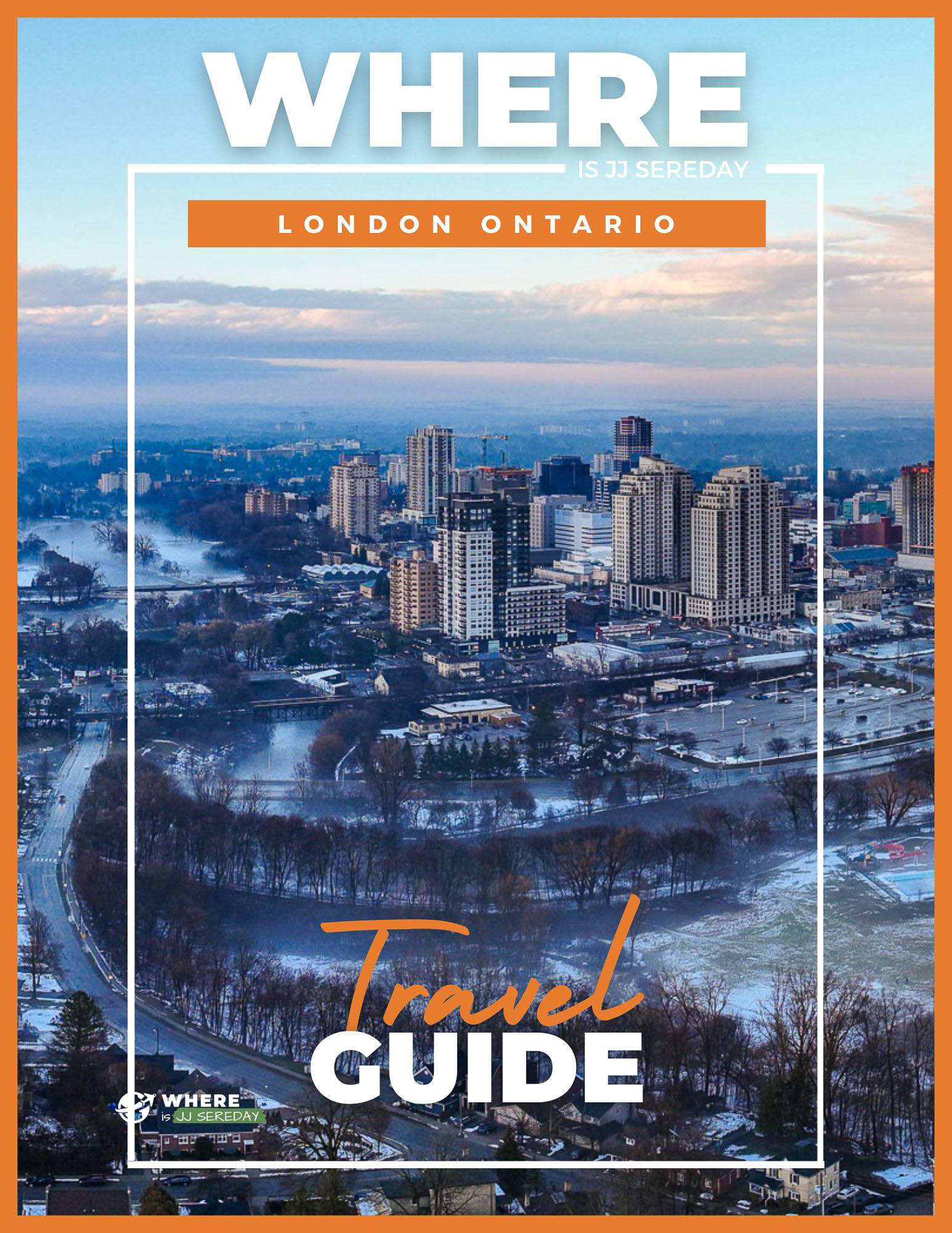
BC Parks notes the protected area was developed as a recreation site with a small campsite and a trail to a viewpoint overlooking the falls.[1]
Access is via gravel resource roads off the Alaska Highway area. Expect industrial traffic and drive cautiously.
What to do
The main activity is the short walk to the viewpoint and photography of the falls.
Safety
This is remote northeast BC. Pack layers, carry bear safety gear, and do not rely on cell service.
Frequently Asked Questions
Where is Sikanni Chief Falls located?
Sikanni Chief Falls is in Sikanni Chief Falls Protected Area in northeast British Columbia.[1]
How do I get to Sikanni Chief Falls?
Access is via gravel resource roads from the Alaska Highway corridor. Expect rough road conditions and industrial traffic.[1]
How long is the hike to the viewpoint?
A purpose statement for the protected area describes a trail of about 1.5 km from the parking area to a viewpoint.[2]
Is there camping at Sikanni Chief Falls?
The protected area was originally developed as a recreation site with a small campsite.[1]
Is there an entrance fee?
BC Parks does not list a general entrance fee for this protected area.
Is Sikanni Chief Falls family friendly?
The walk to the viewpoint is short, but the trip is best for families who are comfortable with remote driving and basic facilities.
Are dogs allowed?
Rules can vary by protected area and season. Keep dogs leashed and follow posted signage on site.
What should I bring?
Bring water, snacks, layers, bear safety gear, and offline navigation. Roadside services can be limited.
When is the best time to visit?
Late spring through fall is usually easiest for road access, but conditions can change quickly.
Where can I find official updates?
Check BC Parks for official park information and notices.[1]