Quick Facts
Location: Trout River, Northern British Columbia, Canada
Region: Northern Rockies (near Muncho Lake / Liard River corridor)
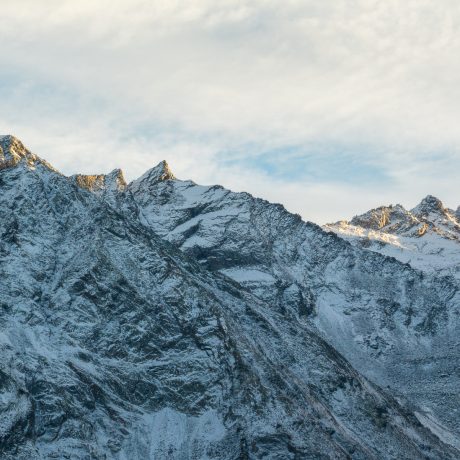
Type: Glacier-fed river
Best Season: Summer for paddling and road access conditions
Admission: Free
Facilities: None at the river itself (remote backcountry)
Dog Friendly: Yes (on leash / under control)
Also Known As: Trout River (BC)
Info
Parking / Access
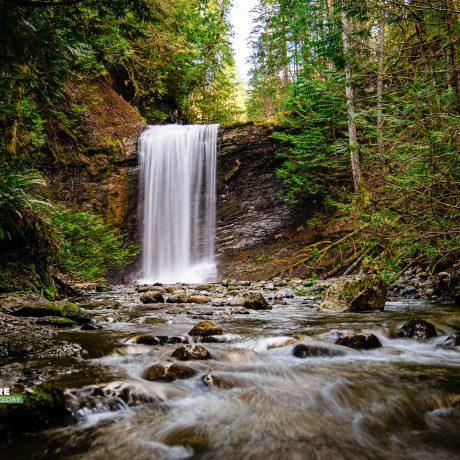
Trout River is in far northern BC, in the Northern Rockies region. Access depends on where you plan to launch or stop along the river.
On-the-water notes
Tourism Northern Rockies describes non-motorized boating routes associated with Trout River and the Muncho Lake area. Conditions can change quickly in remote northern rivers, so plan conservatively and check local advisories before launching.
Safety
This is remote country with limited services and spotty or no cell coverage. Tell someone your plan, carry bear safety gear, and be prepared for sudden weather changes.
Frequently Asked Questions
Where is Trout River located?
Trout River is in northern British Columbia, Canada, in the Northern Rockies region.[1]
How do I get to Trout River?
Most travelers reach the area via the Alaska Highway (Highway 97) and nearby routes through the Northern Rockies. Exact access depends on which section of the river you’re visiting, so confirm the route in Google Maps before you go.
Is there parking available at Trout River?
There is not one single “main” parking lot for Trout River. Parking options depend on your chosen access point. Plan to be self-sufficient.
How long should I plan to spend at Trout River?
For a roadside stop, 15–45 minutes is common. For paddling, plan a half-day to multi-day trip depending on your route and experience.
What is the best time of year to visit Trout River?
Summer is usually the easiest time for travel logistics and time on the water, but weather can still change quickly in northern BC.
Are dogs allowed at Trout River?
Generally yes, but this is wildlife-heavy country. Keep dogs close and under control.
Is Trout River good for families?
It can be, but it depends on the exact access point and conditions. Treat it as a remote destination and bring more supplies than you think you’ll need.
What should I bring to Trout River?
Bring layers, rain gear, bear safety gear, plenty of water, and offline navigation. For paddling, use proper cold-water safety equipment and plan a conservative route.
Is Trout River glacier-fed?
Trout River is commonly described as a glacial river in the region. River clarity and water levels can vary by season and conditions.
Where can I find more information about Trout River?
A starting point is Tourism Northern Rockies’ Trout River listing, plus regional visitor info for the Northern Rockies.[2]