Quick Facts
Location: Grand Teton National Park, Wyoming
Region: Jackson Hole, Teton County
Getting There: Jackson Hole Airport (12 mi), drive from Jackson or Yellowstone
Admission: $35 per vehicle (7 days); $70 annual pass
Best Season: May through September for full access; winter for cross-country skiing
Dog Friendly: Yes in limited areas (roads, parking lots, campgrounds); not on trails
Also Known As: GTNP, The Tetons
Info
Visitor Centers
Craig Thomas Discovery & Visitor Center (Moose)
Jenny Lake Visitor Center
Colter Bay Visitor Center
Phone: 307-739-3399
Hours
Open 24 hours year-round. Most roads, campgrounds, and facilities operate May–September. Inner Park Loop Road (Teton Park Road) closes November 1–May 1.
Parking
Available at all major trailheads and visitor centers. Arrive early in summer for popular areas like Jenny Lake.
Frequently Asked Questions
Where is Grand Teton National Park located?
Grand Teton National Park is in northwestern Wyoming, approximately 12 miles north of Jackson. The park sits just south of Yellowstone National Park along the Teton Range.
How do I get to Grand Teton National Park?
By Air: Fly into Jackson Hole Airport (inside the park boundary) or drive from Bozeman, MT or Salt Lake City, UT.
By Car: Highway 89/191/287 runs through the park from Jackson north to Yellowstone. Access from the east via Highway 26/287 at Moran Junction.
What is the entrance fee for Grand Teton National Park?
$35 per vehicle (valid 7 days). $30 per motorcycle. $20 per person (pedestrian/cyclist). $70 for a Grand Teton Annual Pass. $80 for an Interagency Annual Pass (valid at most U.S. national parks). Nonresidents age 16+ pay an additional $100 fee unless entering with an annual pass.
What is Grand Teton National Park known for?
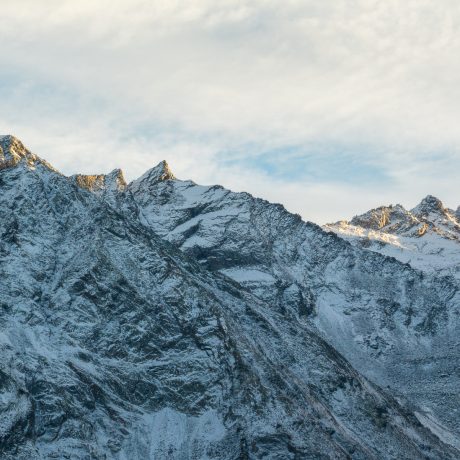
Grand Teton is famous for its dramatic mountain scenery, with the Teton Range rising abruptly from the valley floor without foothills. The park offers world-class hiking, climbing, wildlife viewing (moose, bears, elk, bison), pristine alpine lakes, and the scenic Snake River.
What are the top things to do in Grand Teton National Park?
Hiking: Taggart Lake, Hidden Falls & Inspiration Point, Cascade Canyon, Jenny Lake Loop, Lake Solitude
Wildlife Viewing: Moose at Moose Ponds and Willow Flats, elk, bison, bears
Scenic Drives: Teton Park Road, Signal Mountain Summit Road
Water Activities: Boating and kayaking on Jenny Lake, Snake River float trips
Climbing: The Teton Range offers world-class mountaineering
Where can I see moose in Grand Teton?
Moose are commonly seen at Moose Ponds (along Moose-Wilson Road), Willow Flats, Schwabacher Landing, Oxbow Bend, and along river corridors. Early morning and late evening offer the best viewing opportunities, especially during fall (rutting season) and spring.
Is Grand Teton good for families?
Yes. Family-friendly activities include easy lakeside hikes, Jenny Lake boat shuttle, ranger programs, scenic drives with overlooks, wildlife viewing, and campfire programs. Many viewpoints are accessible without strenuous hiking.
Are dogs allowed in Grand Teton National Park?
Dogs are allowed on leash in developed areas including roads, parking lots, and campgrounds. Dogs are not allowed on trails, in the backcountry, or on boats on Jenny Lake. Check current regulations at visitor centers.
What is the best time to visit Grand Teton National Park?
Summer (June–September): Warmest weather, all facilities open, peak season for hiking and wildlife.
Spring (May–early June): Wildflowers, newborn wildlife, fewer crowds, some trails still snow-covered.
Fall (September–October): Cooler temps, fall colors, elk rutting season, fewer crowds.
Winter: Cross-country skiing, snowshoeing; most roads and facilities closed.
How long should I spend in Grand Teton?
2–3 days: Main highlights, a few hikes, scenic drives, wildlife viewing.
4–5 days: More extensive hiking, backcountry exploration, multiple lake visits.
1 week+: Combine with Yellowstone, multi-day backpacking, climbing expeditions.
What should I bring to Grand Teton National Park?
Layers (weather changes quickly), rain gear, sun protection, sturdy hiking boots, binoculars for wildlife, bear spray for backcountry hiking, plenty of water, and offline maps (cell service is limited).
Is there camping in Grand Teton?
Yes. The park has six campgrounds: Gros Ventre, Jenny Lake, Signal Mountain, Colter Bay, Lizard Creek, and Headwaters. Reservations are recommended for summer. Backcountry camping requires a permit.
Can I see both Grand Teton and Yellowstone in one trip?
Yes. The parks are connected by the John D. Rockefeller Jr. Memorial Parkway (about 8 miles between park boundaries). Many visitors combine both parks in a single trip. Allow at least 5–7 days to experience both.
Where can I find official park information?
Visit the National Park Service website: nps.gov/grte or call 307-739-3399 to speak with a ranger Monday–Friday during business hours. Download the free NPS Grand Teton app for offline use.